October 1, 2026
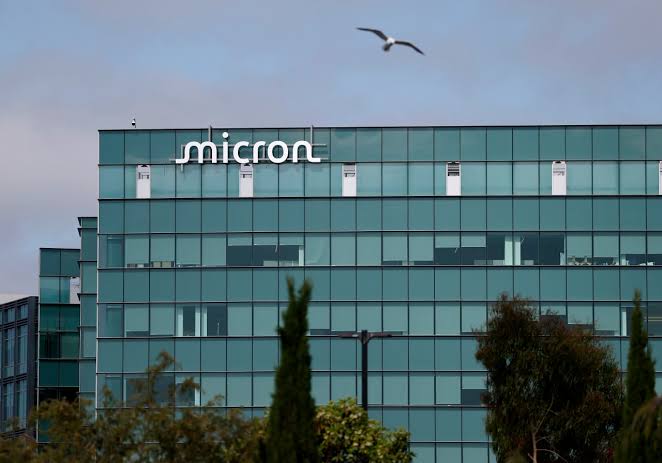
A Memory Chip Company Just Made $37 Billion in Three Months
Micron reported earnings on Wednesday night and the numbers are hard to believe.
Two hundred free lessons written by students, from how a stock exchange works to building and testing your own trading strategy.
Anyone can read the lessons and use the market pages. An account is for the parts where you do something and keep track of it.
A financial market brings together people who want to buy and people who want to sell. They trade and agree on a price. You use markets all the time, such as when you buy groceries. A financial market follows the same basic idea, but people trade financial assets instead of food.
An asset is something you can own that has value. A financial asset gives you a claim on something else. A stock, for example, gives you a claim on part of a company's future profits. A bond gives you the right to be repaid on a loan. For now, picture buyers and sellers meeting and settling on a price.
Keep readingTen units, twenty lessons each, free to read. Start at Unit 1 if you are new to finance.
October 1, 2026
Micron reported earnings on Wednesday night and the numbers are hard to believe.
September 27, 2026
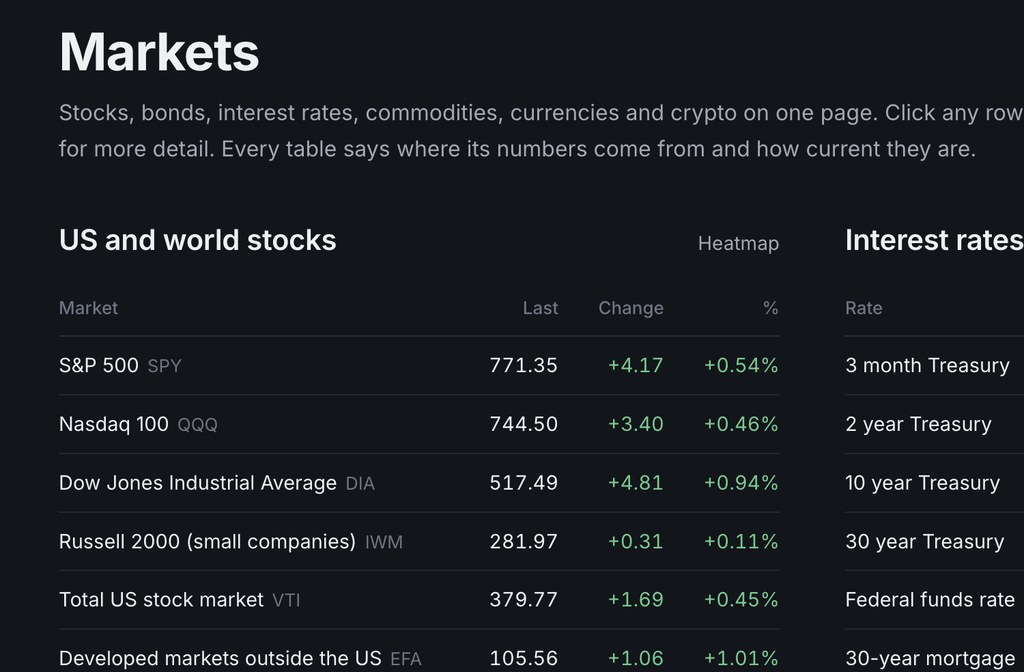
All 200 lessons are now open to read without an account, and there's a new Markets section with stock pages, financial statements and economic data.
August 30, 2026
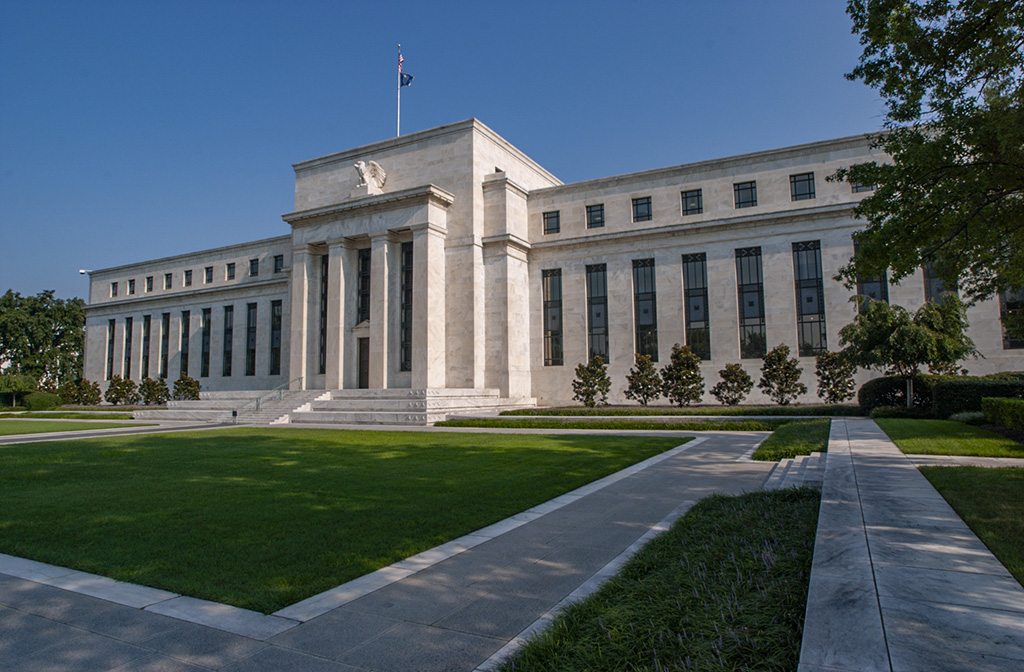
The August jobs report lands Friday, and for once the Fed's next move might be a hike instead of a cut. Here is why this one matters more than usual, and what else to watch this week.
Students. We started it because most finance content online is either too basic or all over the place, and almost none of it lets you try things on real data. More about us.
Not to read. Every lesson and market page is open to everyone. You need a free account to take the quizzes, save your progress, earn points, make the daily market call and play ranked trading floor rounds.
None. Unit 1 starts with what a market is and how an exchange works. If you can read and do basic algebra, you're ready. The later units get genuinely quantitative, but you build up to them.
Yes. Creating an account, the full 200-lesson curriculum, the research tools, the strategy tester, the daily call, and competition entry are all free.
About 10 to 20 minutes. Each one is a short explanation, an example or activity, and a five-question quiz. Your progress saves as you go, so you can stop and pick up later.
Prices come from free public sources and are delayed, often to the previous close, and every table says which day its numbers are from. Company financials come straight from SEC filings, economic data from the Federal Reserve's FRED database, and charts from TradingView. It's for learning, not for live trading decisions.
Start with Unit 1, or make an account first so your progress is saved from the first lesson.